
Nutrición Inteligente para la Neuropatía
Descubre cómo una alimentación balanceada y científicamente fundamentada puede ayudarte a controlar los síntomas de la neuropatía periférica y mejorar tu calidad de vida en Colombia.
- Estrategias nutricionales respaldadas por expertos
- Información adaptada al contexto de Colombia
- Guías prácticas para incorporar cambios en tu dieta
Recibe Actualizaciones
Información valiosa sobre nutrición y neuropatía, directamente en tu bandeja de entrada.
Alerta de Salud: Neuropatía en Colombia
La neuropatía periférica afecta a millones de colombianos, especialmente aquellos con diabetes, problemas de circulación y deficiencias nutricionales. Los síntomas incluyen dolor, adormecimiento y hormigueo en las extremidades. Una nutrición adecuada es una herramienta fundamental para controlar esta condición.
Importante: Esta plataforma proporciona información educativa. Si experimentas síntomas de neuropatía, consulta con tu médico o nutricionista certificado para recibir asesoramiento personalizado.
Beneficios de una Nutrición Balanceada
Descubre cómo los nutrientes correctos pueden ayudarte a gestionar mejor la neuropatía y mejorar tu bienestar general.
Circulación Mejorada
Los antioxidantes y vitaminas del complejo B favorecen la circulación sanguínea, esencial para reducir el daño nervioso y acelerar la recuperación tisular.
Protección Nerviosa
Nutrientes como la vitamina B12, vitamina B6 y ácido alfa-lipoico son críticos para la función neuronal y la regeneración de las fibras nerviosas afectadas.
Reducción de Inflamación
Una dieta rica en omega-3, polifenoles y minerales como el magnesio ayuda a disminuir la inflamación asociada con la neuropatía.
Mayor Energía
Una nutrición adecuada estabiliza los niveles de glucosa y proporciona la energía necesaria para llevar una vida activa y productiva.
Fuerza Muscular
Proteínas de calidad y aminoácidos esenciales mantienen la masa muscular, reduciendo el riesgo de debilidad asociada a la neuropatía.
Calidad de Vida
Al controlar síntomas y prevenir complicaciones, logras mayor independencia, bienestar emocional y capacidad para disfrutar de actividades diarias.
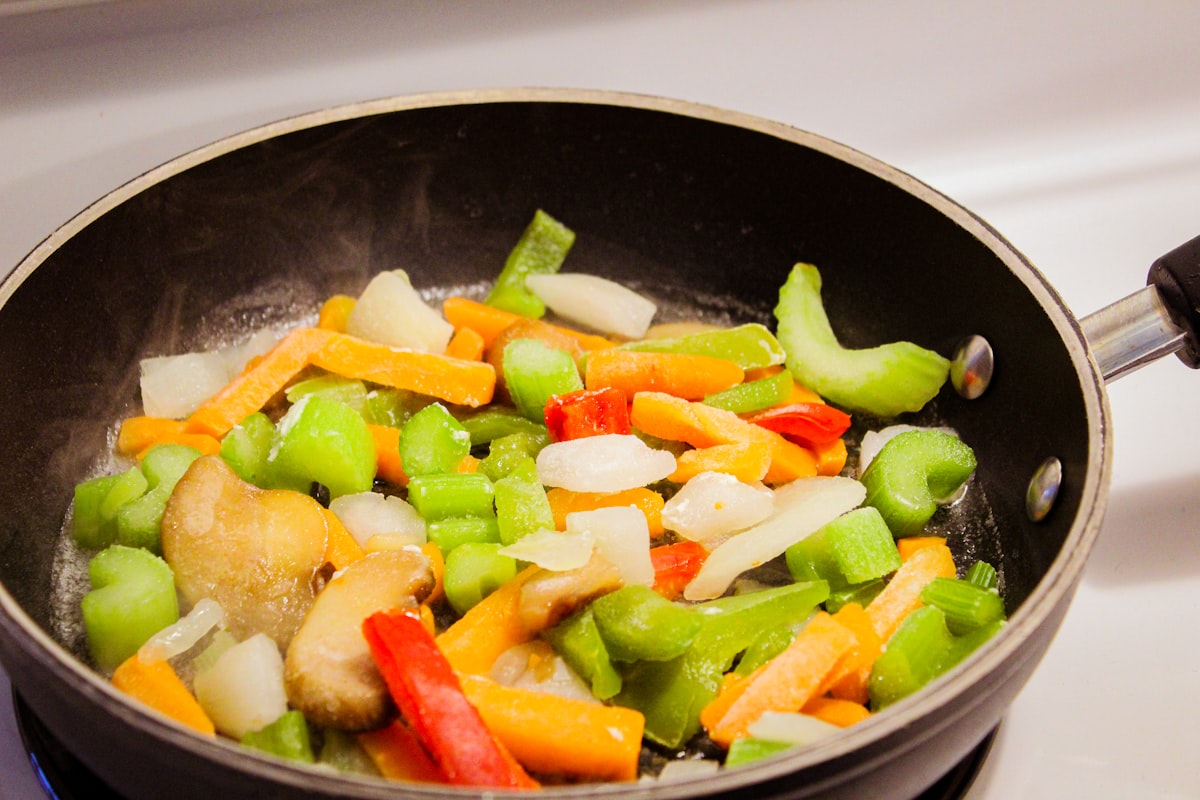
Vitaminas y Minerales Esenciales
La neuropatía está frecuentemente asociada con deficiencias nutricionales. Conocer qué vitaminas y minerales tu cuerpo necesita es el primer paso para una estrategia nutricional efectiva.
Vitamina B12
Fundamental para la función nerviosa. Se encuentra en carnes, huevos, lácteos y opciones vegetales enriquecidas disponibles en Colombia.
Vitamina B6
Participa en la síntesis de neurotransmisores. Presente en plátanos, garbanzos, pimientos y pescado.
Ácido Alfa-Lipoico
Un antioxidante potente que reduce el dolor neuropático. Se encuentra en espinaca, brócoli y algunos órganos.
Magnesio
Regula la función nerviosa y muscular. Se encuentra en semillas de calabaza, almendras, y granos integrales colombianos.
Omega-3
Reduce la inflamación neurológica. Presente en pescados grasos, semillas de lino y nueces accesibles en el mercado colombiano.
Por Qué Elegir Neuropathynutritioncolombia
Somos una plataforma editorial dedicada a proporcionar información confiable, actualizada y contextualizada para colombianos que enfrentan la neuropatía.
Información Contextualizada
Todos nuestros artículos consideran la realidad del sistema de salud, alimentos disponibles y hábitos de vida en Colombia.
Equipo Editorial Experto
Nuestros contenidos son creados por nutricionistas, médicos y periodistas especializados en salud y bienestar.
Contenido Basado en Evidencia
Cada recomendación se fundamenta en investigaciones científicas actuales y prácticas reconocidas internacionalmente.
Acceso Gratuito a Guías Prácticas
Descarga y consulta nuestras guías de alimentación, planes de menú y recursos educativos sin costo.
Artículos Actualizados Regularmente
Publicamos nuevo contenido regularmente para mantener la información vigente y reflejar los últimos descubrimientos.
Comunidad de Lectores Comprometida
Forma parte de una comunidad de colombianos que buscan mejorar su salud a través de la nutrición adecuada.
Transparencia Total
Somos claros sobre nuestras fuentes, metodología y cualquier limitación en nuestras recomendaciones.
Soporte Comunitario
Estamos disponibles para responder preguntas sobre nuestro contenido editorial a través de múltiples canales.
Lo Que Dicen Nuestros Lectores
Historias reales de colombianos que han incorporado nuestras recomendaciones nutricionales en sus vidas.
"Los artículos de esta plataforma me ayudaron a entender que la neuropatía no es una sentencia definitiva. Cambié mi alimentación incorporando más vitaminas B y alimentos antiinflamatorios, y después de tres meses noté una reducción significativa del dolor y el hormigueo en mis pies. Realmente útil y accesible."
María Elena Rodríguez
Medellín, Antioquia
"Como diabético, desarrollé neuropatía hace algunos años y estaba desesperado. Las guías nutricionales aquí son claras, basadas en ciencia y muy fáciles de seguir con productos que encuentro en mi supermercado local en Bogotá. Mi nutricionista incluso validó las recomendaciones. Excelente recurso."
Carlos Andrés Moreno
Bogotá, Cundinamarca
"Mi madre sufría de neuropatía y no sabía cómo ayudarla. Descubrí esta plataforma y leí varios artículos que compartí con ella. Juntas implementamos cambios gradualmente y vimos mejoras reales. La información es confiable y el equipo responde dudas. Recomiendo a todos mis amigos en Cali."
Patricia Sánchez Vega
Cali, Valle del Cauca
"La información presentada en los artículos me ha resultado muy útil y fácil de entender. El contenido es riguroso, bien investigado y culturalmente relevante para Colombia. Los pacientes aprecian tener una fuente confiable para educarse sobre cómo la nutrición puede jugar un papel en el manejo de la neuropatía."
Fernando Gutiérrez López
Barranquilla, Atlántico
"No pensé que cambiar mi dieta marcaría tanta diferencia. Seguí las recomendaciones sobre magnesio, vitaminas B y alimentos antiinflamatorios. Con el tiempo, he notado una mejora en mi comodidad al caminar. Los artículos explican el 'por qué' detrás de cada recomendación, lo que me motivó a mantenerme consistente."
Jorge Alejandro Ramírez
Cartagena, Bolívar
"Recursos como este son invaluables para quienes vivimos en ciudades pequeñas de Colombia donde el acceso a especialistas es limitado. Tener información confiable en línea me ha permitido tomar decisiones informadas sobre mi salud. Agradezco el esfuerzo del equipo por educarnos."
Rosa María Hernández
Santa Marta, Magdalena
Artículos Destacados
Explora nuestro contenido más reciente sobre nutrición, neuropatía y bienestar.

Guía Completa: Dieta Antiinflamatoria para la Neuropatía
Aprende cuáles alimentos reducen la inflamación y cómo incorporarlos en tu rutina diaria de manera práctica y deliciosa.
Leer Más
El Rol Crítico de la Vitamina B12 en la Neuropatía Periférica
Descubre por qué esta vitamina es esencial, cómo identificar deficiencias y dónde encontrarla en Colombia.
Leer Más
Plan de Menú Semanal: Alimentos Accesibles en Colombia
Recetas simples y nutritivas que puedes preparar en casa utilizando ingredientes disponibles en tu región.
Leer MásPreguntas Frecuentes
Respuestas a las dudas más comunes sobre nutrición y neuropatía.
Los mejores alimentos incluyen pescados ricos en omega-3 (salmón, sardinas), frutas y verduras antioxidantes (arándanos, espinaca, brócoli), frutos secos (almendras, nueces), huevos, yogur griego y aceite de oliva. Estos alimentos proporcionan ácidos grasos esenciales, vitaminas B, antioxidantes y minerales que protegen los nervios y reducen la inflamación sistemática.
La mayoría de personas comienzan a notar mejoras en 4 a 8 semanas con cambios nutricionales consistentes. Sin embargo, la regeneración nerviosa es un proceso gradual que puede tomar 3 a 6 meses para resultados más significativos. La consistencia en la alimentación y el seguimiento profesional son clave para optimizar los resultados.
Depende de tus niveles nutricionales actuales. Una dieta balanceada es la base, pero muchas personas con neuropatía se benefician de suplementos específicos como Vitamina B12, Ácido Alfa Lipoico, CoQ10 y Magnesio. Nuestros especialistas realizan evaluaciones personalizadas para determinar exactamente qué necesitas.
Lo que dicen nuestros pacientes
"Después de seguir el plan nutricional personalizado, he sentido una reducción significativa del dolor y el adormecimiento en mis pies. ¡Finalmente puedo caminar sin molestias!"
María García
Bogotá, Colombia
"El equipo de Neuropathy Nutrition Colombia es profesional y comprensivo. Mi diabetes está mejor controlada y los síntomas neurológicos han mejorado considerablemente."
Carlos Rodríguez
Medellín, Colombia
"Recomiendo ampliamente este servicio. Los resultados son reales y el acompañamiento durante el proceso es excepcional. Mi calidad de vida ha mejorado notablemente."
Ana Martínez
Cali, Colombia
Comienza tu camino hacia la recuperación hoy
No esperes más. Nuestros especialistas están listos para diseñar un plan nutricional personalizado que restaure tu salud neurológica y mejore tu calidad de vida.
Tu información es 100% confidencial y segura