
Cooking Techniques for Nutritious Food
Master the art of preparing meals that nourish your body and delight your taste buds. Explore proven methods used by culinary professionals and nutrition experts.
The information on this site is for educational purposes only and does not constitute medical advice. Always consult a qualified healthcare professional before making health decisions.
Why Cooking Technique Matters
The way you prepare food directly impacts its nutritional value. Proper cooking techniques preserve essential vitamins, minerals, and antioxidants while making food more digestible and flavorful.
Nutrient Retention
Smart cooking methods preserve up to 85% more vitamins compared to conventional techniques.
Enhanced Flavor
Proper technique brings out natural flavors without relying on excess salt, sugar, or unhealthy fats.
Better Digestion
Well-prepared meals are easier for your body to digest and absorb nutrients efficiently.
Browse by Category
Filter techniques to find the methods that work best for your cooking style and dietary goals.
Essential Cooking Techniques
Discover six fundamental methods that preserve nutrition while creating delicious, wholesome meals.
Steaming
Steaming is one of the gentlest cooking methods, using hot steam to cook food without direct contact with water. This technique preserves water-soluble vitamins like B-complex and C vitamins that are often lost in boiling. Vegetables retain their vibrant colors, crisp texture, and natural flavors while maintaining their nutritional integrity.
Read moreRoasting
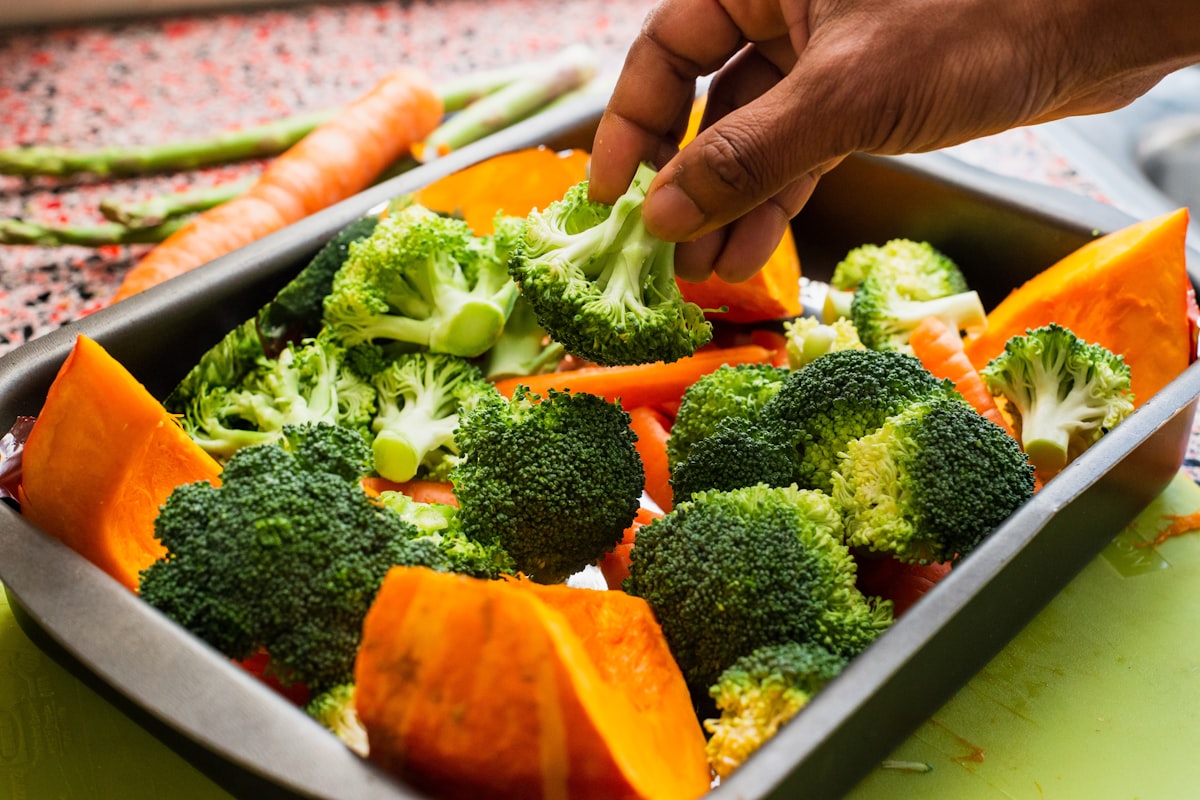
Roasting at moderate to high temperatures brings out deep, concentrated flavors through the Maillard reaction, which also creates beneficial compounds. When done at appropriate temperatures (around 180-200°C), roasting caramelizes natural sugars in vegetables while preserving minerals and antioxidants. This dry-heat method requires minimal added fat and yields tender, flavorful results.
Read moreStir-Frying
Quick stir-frying keeps vegetables crisp while maintaining their nutrient density. The high heat and constant movement ensure rapid cooking at high temperatures, minimizing nutrient loss from prolonged exposure to heat. This Asian technique uses minimal oil, keeps cooking times under five minutes, and perfectly combines multiple vegetables and lean proteins in one pan for balanced, nutritious meals.
Read morePoaching
Poaching involves cooking food in liquid (water, broth, or wine) at a gentle simmer just below boiling. This low-temperature method is ideal for delicate proteins like fish and eggs, preserving their tender texture and keeping them lean without added fat. The cooking liquid can be seasoned with herbs and vegetables, infusing subtle flavors while maintaining nutritional completeness of the dish.
Read moreGrilling
Grilling uses direct or indirect heat to cook food over an open flame or hot surface. This technique allows excess fat to drip away from proteins, making meals naturally leaner. The high heat creates flavorful crusts while maintaining juiciness inside. Grilling is excellent for vegetables, lean meats, and fish, requiring minimal added oils while delivering impressive taste and texture.
Read moreSlow Cooking
Slow cooking at low temperatures over extended periods breaks down tough cuts of meat and allows flavors to meld beautifully. This method preserves heat-sensitive vitamins better than rapid cooking in some cases, and the extended cooking time develops complex, satisfying flavors naturally. Perfect for hearty soups, stews, and braised dishes that nourish the body and soul.
Read more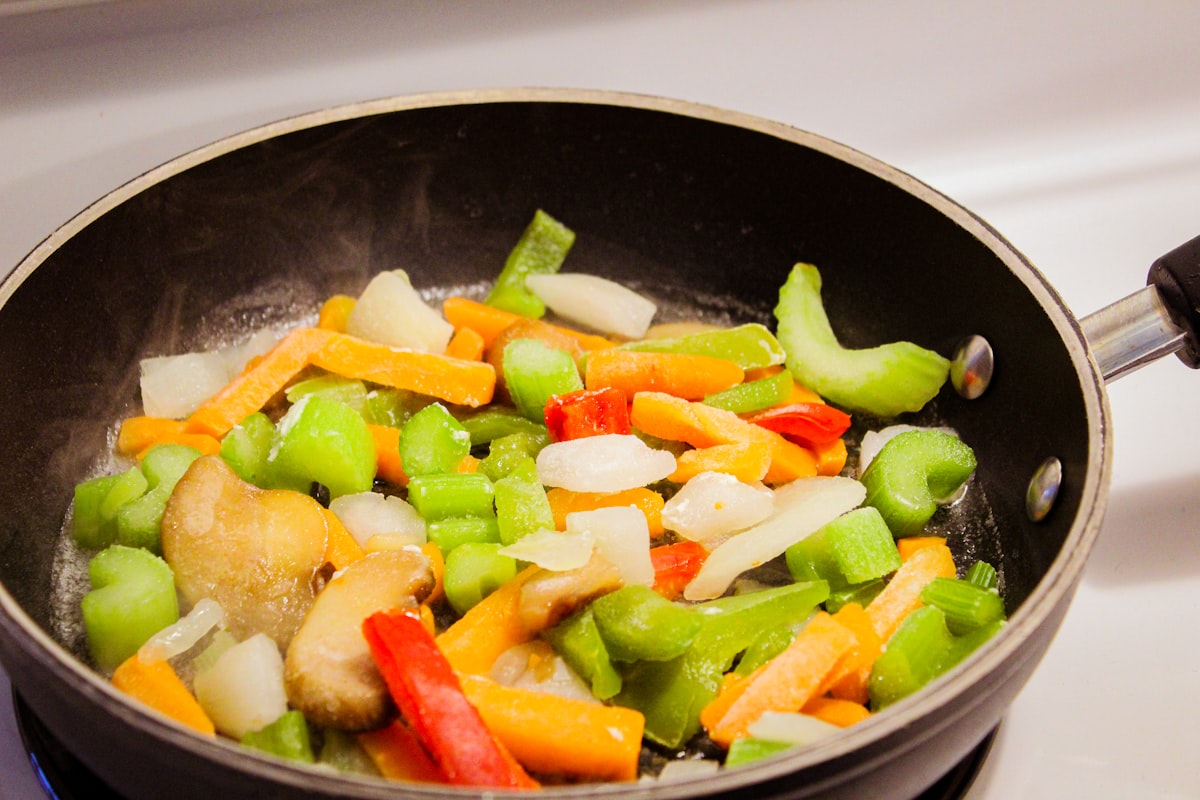
Steaming for Maximum Nutrient Retention
Steaming stands out as one of the most effective ways to preserve nutrients in vegetables, fruits, and delicate proteins. Unlike boiling, which leaches water-soluble vitamins into cooking water, steaming keeps food suspended above hot water, cooking it with pure steam. This gentle method maintains the structural integrity of vegetables while preserving up to 90% of certain vitamins and minerals.
The technique is remarkably simple: place food in a steamer basket or specialized steaming equipment, add water to the pot below (ensuring it never touches the food), cover, and let steam do the work. Cooking times vary by ingredient—leafy greens take 2-3 minutes, while denser vegetables like broccoli or carrots might need 5-8 minutes.
Steaming works beautifully for broccoli, asparagus, green beans, carrots, cauliflower, fish fillets, chicken breasts, and dumplings. You can enhance steamed foods with fresh herbs, lemon juice, garlic, or quality oils added after cooking, creating restaurant-quality dishes at home without compromising nutrition.
Discover All TechniquesFrequently Asked Questions
Find answers to common questions about cooking techniques for nutritious meals.
Does cooking destroy all nutrients?
Cooking does cause some nutrient loss, but the extent depends heavily on the technique. Steaming and roasting at moderate temperatures preserve 70-90% of nutrients. Boiling can lose up to 50% of water-soluble vitamins because they leach into water. Interestingly, cooking also makes some nutrients more bioavailable—lycopene in tomatoes increases when cooked, as does beta-carotene in carrots. The key is choosing the right method for each food.
What is the healthiest oil for cooking?
The best oil depends on cooking temperature. Olive oil works well for low to medium heat (salads, drizzling, light sautéing up to 160°C). Avocado oil and coconut oil have higher smoke points (around 200°C) suitable for roasting and stir-frying. For high-heat grilling, refined vegetable oils or ghee work best. Generally, use less oil overall, and choose oils rich in monounsaturated or polyunsaturated fats. Quality matters—extra virgin and cold-pressed varieties retain more beneficial compounds.
How long should I cook vegetables?
Cooking time varies by vegetable type and desired texture. Leafy greens (spinach, kale) need only 2-3 minutes steaming. Tender vegetables like zucchini and asparagus take 5-7 minutes. Denser vegetables like broccoli, cauliflower, and carrots need 8-12 minutes. The goal is to cook until tender-crisp—vegetables should retain some firmness and vibrant color, not become mushy. Test with a fork; properly cooked vegetables are easily pierced but still hold their shape.
Can I meal prep with these techniques?
Absolutely! Steamed and roasted vegetables store beautifully in the refrigerator for up to five days in airtight containers. Roasted proteins like chicken breasts can be prepared in batches and used throughout the week in salads, grain bowls, and wraps. Slow-cooked soups and stews freeze well for months. The key to successful meal prep is cooling food quickly before storage and using proper containers. Reheat gently to preserve remaining nutrients.
What equipment do I need to get started?
You don't need much! Essential items include: a good quality chef's knife, cutting board, steamer basket or insert (affordable bamboo steamers work great), baking sheets for roasting, a large skillet for sautéing, and mixing bowls. A slow cooker is optional but useful. Invest in sturdy stainless steel or cast iron cookware that distributes heat evenly. Non-stick cookware can be helpful but isn't essential. Most importantly, choose tools that feel comfortable to use.
How do I make grilled food less boring?
Flavor comes from seasoning and creativity, not oils and excess salt. Try: marinades with citrus, herbs, and garlic (30 minutes to 2 hours); dry rubs with spices like paprika, cumin, and oregano; basting with herb-infused liquids during cooking; pairing with vibrant salsas or chutneys; adding fresh herbs after cooking. Grill vegetables alongside proteins—charred vegetables develop incredible caramelized flavors naturally. Experiment with different combinations of fresh herbs, spices, and complementary flavors to keep meals exciting without compromising nutrition.
Cooking Inspiration Gallery
See what's possible when you master these cooking techniques.
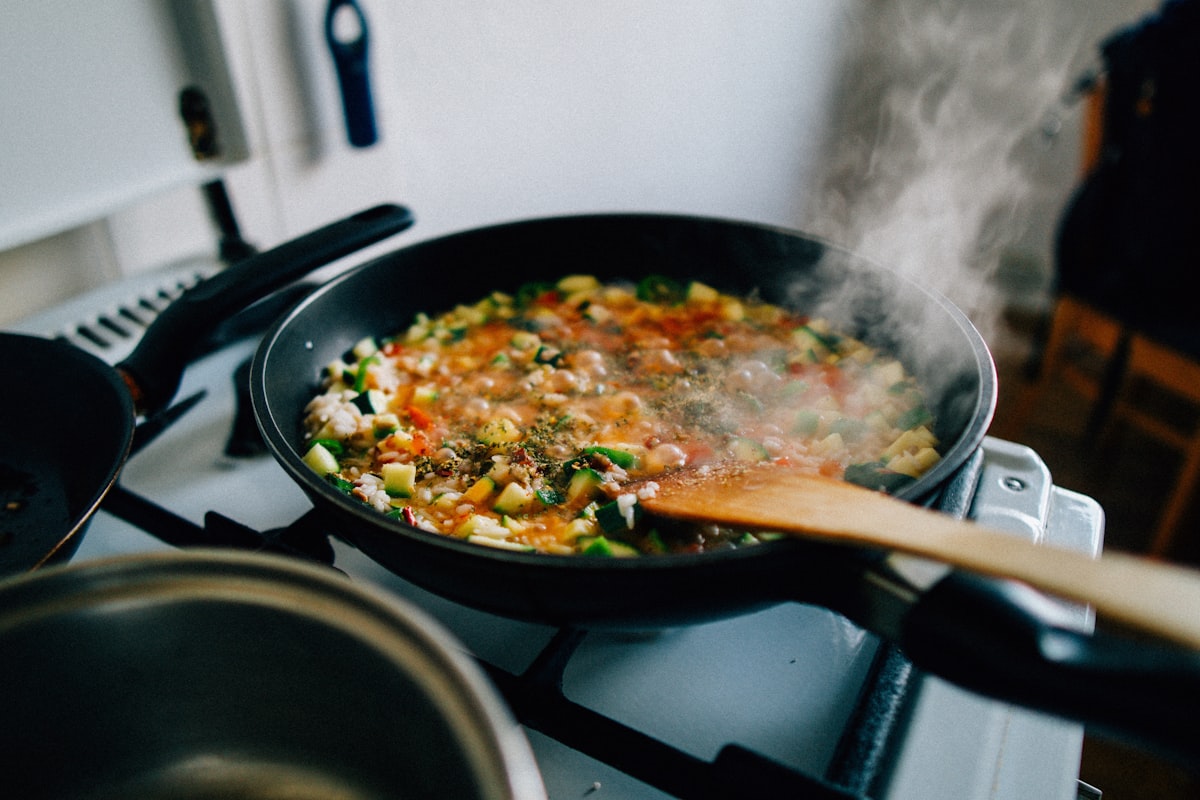
Colorful Roasted Vegetables
Perfectly caramelized vegetables with herbs and spices
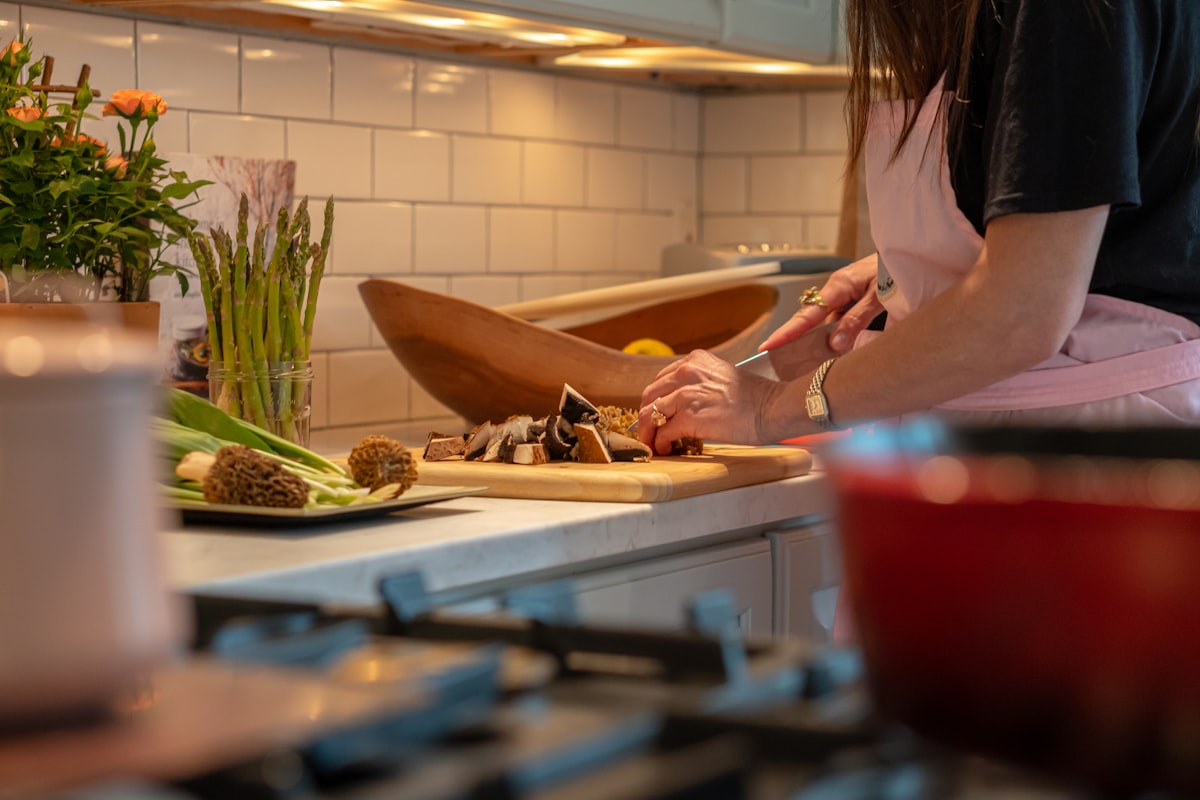
Steamed Fish with Ginger
Delicate protein cooked with aromatic flavors
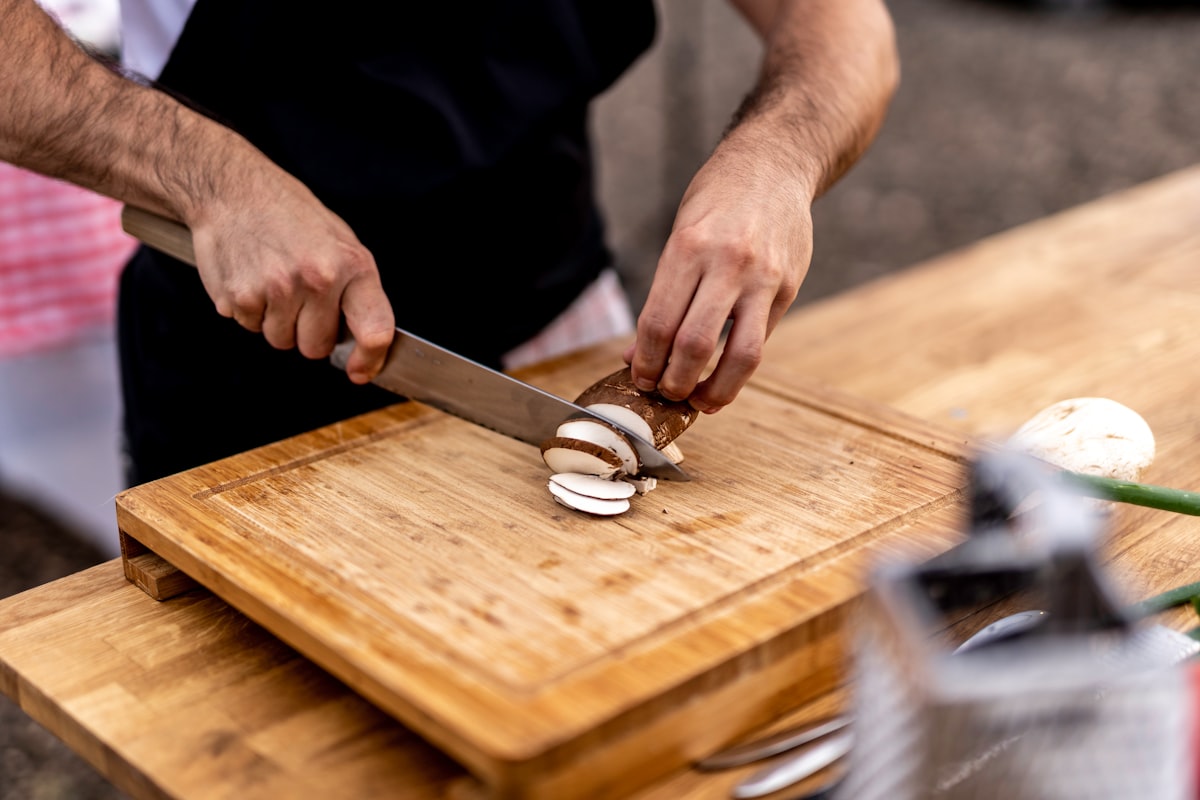
Grilled Lean Proteins
Flavorful meat with minimal added fats
Quick Stir-Fried Bowl
Vibrant vegetables and protein in minutes
What Chefs and Nutrition Experts Say
Real feedback from professionals who use these techniques daily.
"Learning proper steaming techniques transformed how I prepare vegetables in my restaurant kitchen. The colors stay vibrant, the textures are perfect, and my customers taste the difference immediately. These methods aren't just healthier—they're more efficient and produce consistently beautiful results every single time."
Marco Díaz
Executive Chef, Mexico City
"As a nutrition advisor, I recommend these cooking techniques to all my clients. The science is clear—gentle cooking methods preserve the nutrients that make food truly nourishing. My clients report feeling more energized and satisfied with their meals since adopting these practices. The recipes are practical for busy lifestyles too."
Carolina Rodríguez
Nutrition Consultant, Guadalajara
Stay Updated on Cooking Techniques
Join our community to receive the latest articles, tips, and insights about nutritious cooking methods.
We respect your privacy. Unsubscribe anytime.
Ready to Transform Your Culinary Skills?
Join thousands of students who've mastered clean eating with Cleanplate Academy.
Enroll NowFrequently Asked Questions
Yes! We offer a 30-day money-back guarantee. If you're not satisfied, we'll refund your purchase, no questions asked.
Cleanplate Academy
Master the art of clean eating with expert-led courses and practical techniques.
Resources
© 2024 Cleanplate Academy – RFC: NES531575X. All rights reserved.